


We’ve all marvelled at the magnificent rock formations that Mother Nature has created here whilst out on our hikes. These include towering rock spires, massifs, and bizarre shapes such as overhangs, rock windows, gateways and much more. All of this together creates a landscape that is unique even on a global scale. But do you know how this landscape came into being?
The National Park stretches across the Czech Cretaceous Basin, a vast geological formation covering a considerable area in the northern part of Bohemia. Its formation dates back to the Mesozoic Era, more precisely to the Cretaceous Period (90 million years ago), when this area was flooded by a shallow, warm sea. As the sea level fell, marine sediments up to 1,000 metres thick gradually accumulated here. These then formed the rock typical of this area – quartz sandstone.
Subsequently, this thick layer of sandstone began to be shaped by exogenic factors (water, wind, frost) and erosive forces. This process continues to this day, and the work is therefore not yet complete. In recent decades, it is also important to mention human activity, which has a significant impact not only on the local rocks.
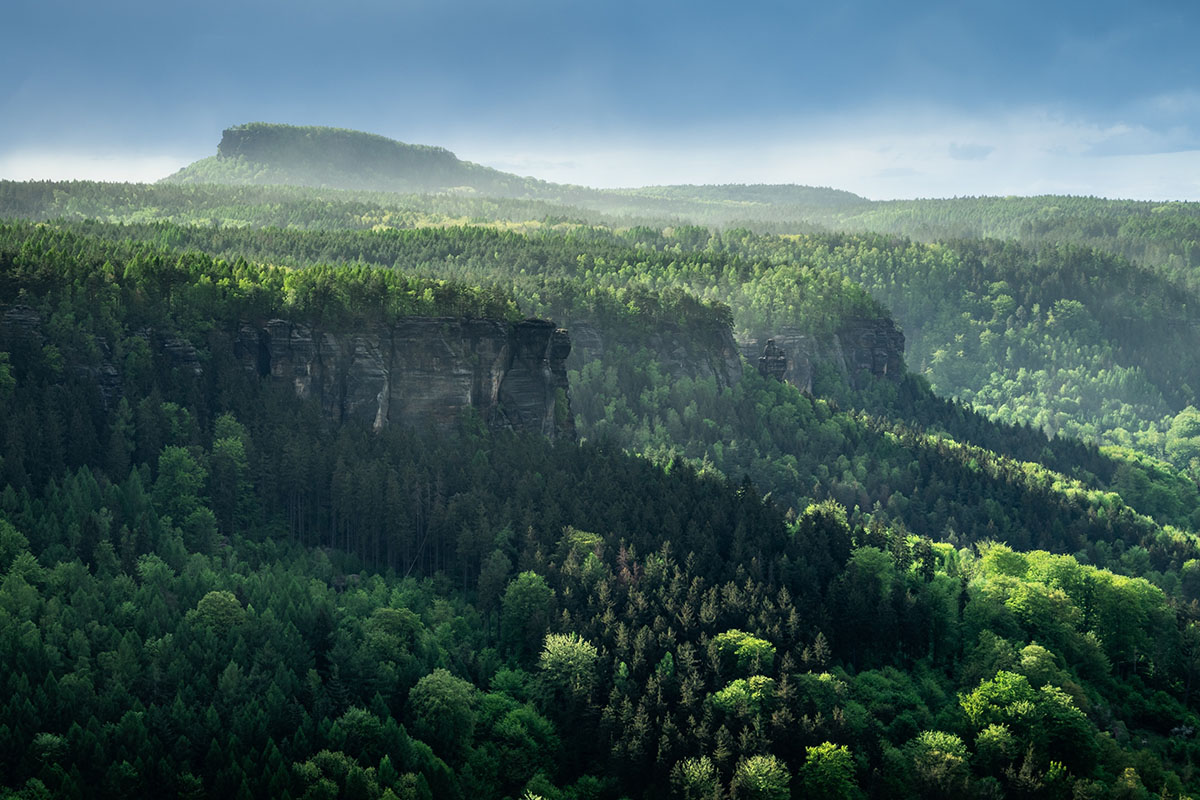
Alongside the sandstones, volcanic rocks – primarily basalt and phonolite – can also be found within the National Park. These ‘appeared’ here as a result of volcanic activity during the Tertiary period. This volcanic activity has left us with the highest peaks in the national park – Růžovský vrch, Sokolí vrch, Český vrch – and stone seas, for example at Studenec. Also well-known are the ‘organs’, or columnar jointing of basalt, which can be observed, for instance, at Panská skála.
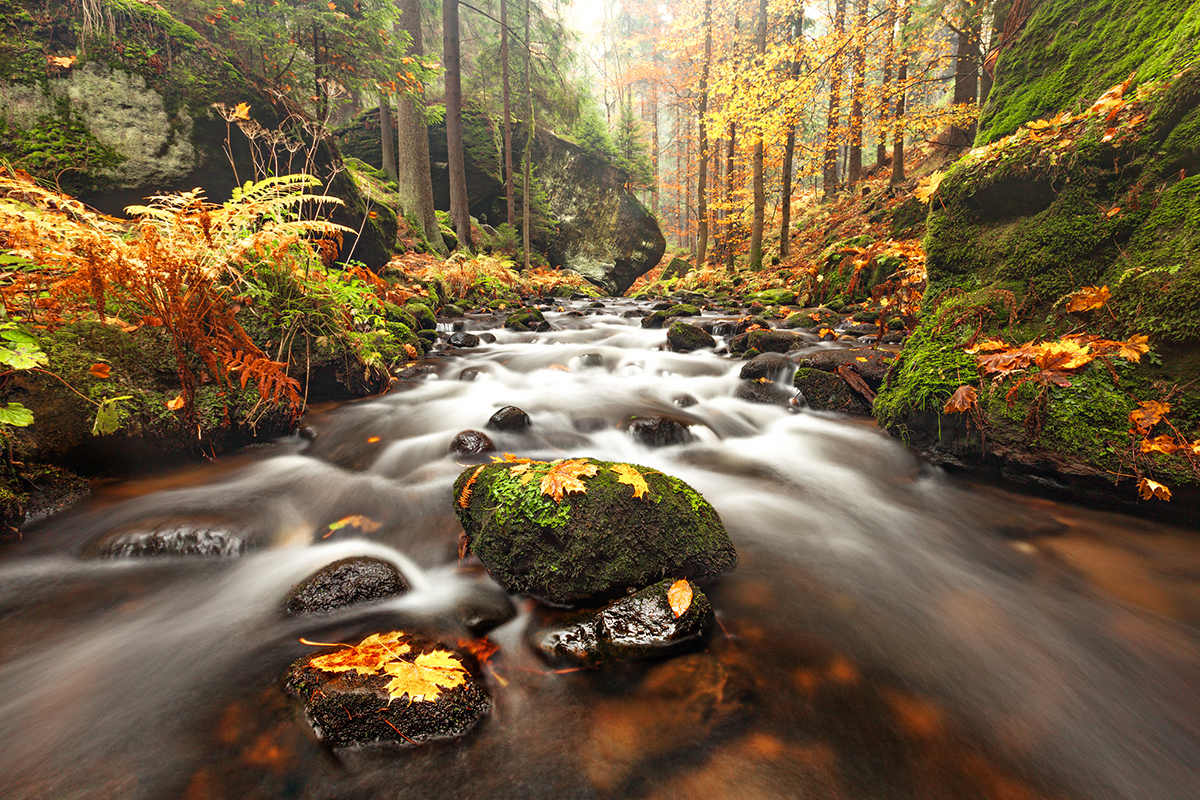
Today’s landscape has been shaped by many factors. One of the most significant, however, is water and watercourses, which have carved out massive canyons and steep gorges in the landscape. Equally significant are the rock towns, renowned throughout the world.
More detailed information on the geology not only of the national park but of the entire Bohemian and Saxon Switzerland region can be found in the book ‘Geology of Bohemian Switzerland’, which is available to purchase from our online shop.

Cycling along the Mandava: discover the Mandava Cycle Route
The summer tourist season is slowly drawing to a close, and now is the perfect time to get out on your bike.…
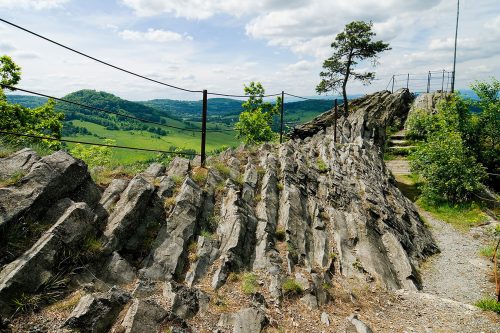
Things to do at the weekend in Bohemian Switzerland
You’ve got two days off in Bohemian Switzerland and are wondering how to make the most of them? Why not venture somewhere…
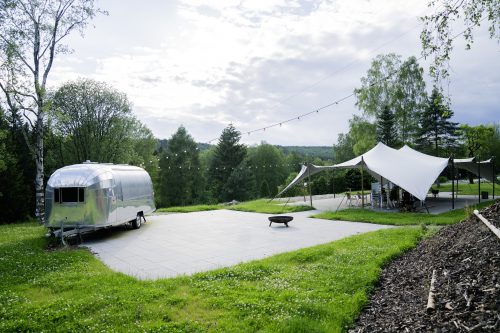
A Road Trip to Bohemian Switzerland in a Camper Van
Freedom on four wheels, morning coffee with a view of the rock towers, and falling asleep at night to the sounds of…